UK Blackjack Casinos Reel from Forensic Audit: 800+ Closures Loom by 2027 Amid Soaring Compliance Costs
26 Mar 2026
UK Blackjack Casinos Reel from Forensic Audit: 800+ Closures Loom by 2027 Amid Soaring Compliance Costs

The Audit That Shook the Sector
A forensic audit targeting UK blackjack casinos under UK Gambling Commission (UKGC) jurisdiction dropped in February 2026, uncovering a web of compliance pitfalls and financial strains that now threaten the industry's foundation; researchers zeroed in on operators offering blackjack tables both online and in live formats, revealing how regulatory demands are squeezing margins to the breaking point.
Conducted with meticulous detail, the audit sifted through financial records, operational protocols, and enforcement histories, painting a stark picture of an ecosystem on the brink; figures project over 800 operator closures by the end of 2027, driven largely by first-year compliance outlays ranging from £800,000 to £2.8 million per licensee, while annual industry-wide fees tally a staggering £100 million.
What's interesting here is how these pressures hit hardest at white-label operations—those smaller platforms partnering with larger networks for tech and branding—and outfits generating under £3 million in Gross Gaming Yield (GGY), the core revenue metric for gambling sites; such entities, often powering niche blackjack lobbies with variants like classic, multi-hand, or live dealer tables, lack the scale to absorb these hits.
Compliance Costs: The Heavy Lift for Blackjack Operators
Operators diving into UKGC oversight face an upfront gauntlet of expenses, from enhanced anti-money laundering (AML) systems to rigorous social responsibility checks, all tailored to safeguard players at blackjack tables where high-stakes decisions unfold in real time; the audit breaks it down, showing first-year setups devouring £800,000 at the low end for basic compliance tech, scaling to £2.8 million for comprehensive audits, staff training, and ongoing monitoring tools.
And then come the recurring fees; the sector shells out £100 million yearly across licensees, funding everything from license renewals to regulatory oversight, with blackjack-focused sites bearing a proportional brunt since they fall squarely under full casino licensing rules.
Take white-label blackjack providers, for instance—they piggyback on parent companies' infrastructure but still shoulder independent compliance burdens, leading to razor-thin profits that evaporate under these costs; operators with GGY below £3 million, often those specializing in blackjack demos, tournaments, or regional variants, find themselves particularly exposed, as fixed fees dwarf their yields.
By March 2026, early signs emerged with a handful of voluntary license surrenders among smaller blackjack platforms, signaling the audit's ripple effects; observers note that while larger players weather the storm through diversified portfolios, the audit's data underscores a consolidation wave ahead.
Key Compliance Flashpoints in Blackjack Operations
The audit didn't stop at dollars and pounds; it spotlighted operational lapses eroding trust and triggering enforcement, starting with inconsistent Know Your Customer (KYC) processes that plague withdrawals; players cashing out blackjack winnings often wait 3-7 days due to spotty upfront verification, a gap that invites regulatory scrutiny and player churn.
Cryptocurrency handling fares even worse, with fewer than 5% of licensees accepting digital assets for blackjack deposits or payouts, despite growing demand for seamless, borderless play; this lag stems from stringent UKGC rules on volatility risks and tracing requirements, leaving most tables reliant on traditional fiat methods.
Enforcement actions paint the picture vividly—Videoslots Limited drew a £650,000 fine for AML shortcomings and lapses in social responsibility, where blackjack players slipped through inadequate affordability checks; Betfred followed with an £825,000 penalty over similar failures, highlighting how operators must now deploy real-time monitoring across live blackjack lobbies to flag excessive play or vulnerability signs.
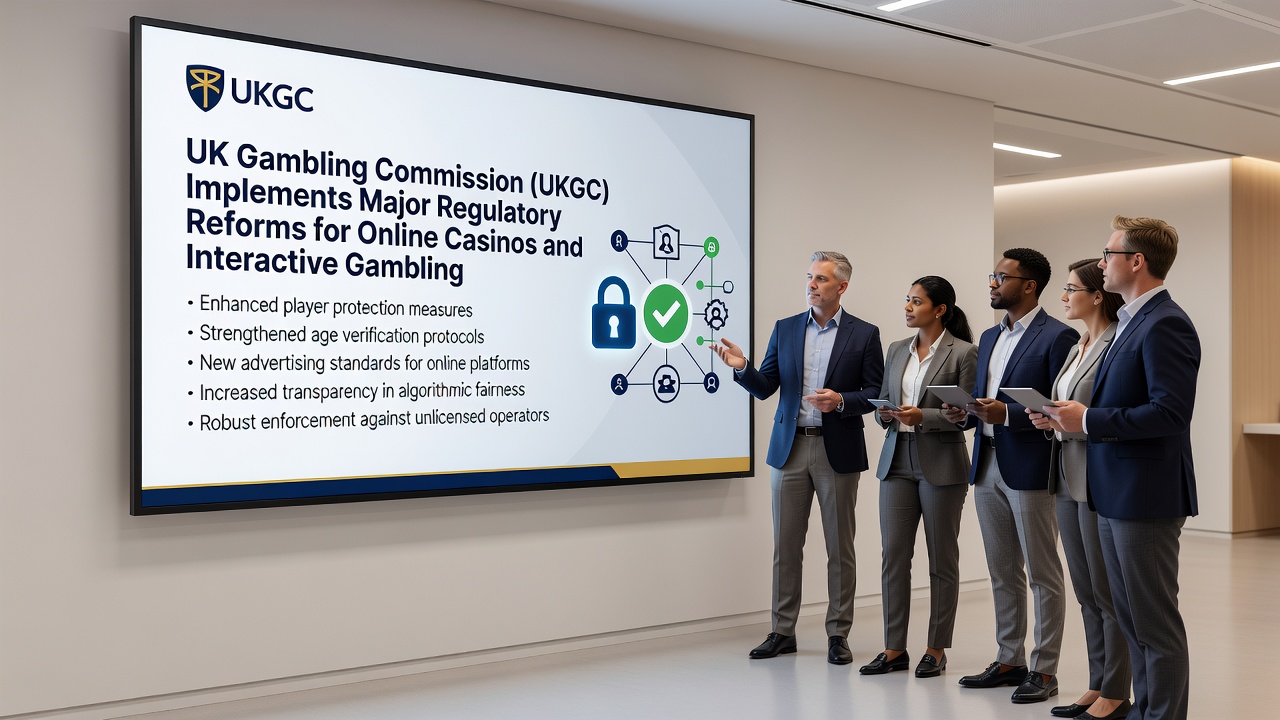
These cases, drawn from recent UKGC enforcement records, serve as cautionary tales; auditors found patterns where blackjack's fast-paced nature—splitting pairs, doubling down, chasing blackjacks—amplifies risks if safeguards falter, prompting demands for AI-driven tools that scan sessions in progress.
Projections and the Path to 800 Closures
Data from the audit projects the fallout clearly: over 800 closures by 2027, with white-label blackjack partners and low-GGY operators leading the exodus; that's not hyperbole, as modeling factors in rising costs against static revenues, where blackjack's house edge (around 0.5% with optimal strategy) can't offset regulatory overhead indefinitely.
Smaller sites, those offering free blackjack practice modes transitioning to real-money tables or niche tournaments, stand to vanish first; their GGY thresholds leave no buffer, and without scale for bulk compliance deals, shutdowns loom as the pragmatic choice.
Larger operators adapt by merging blackjack offerings into broader casino suites, but the audit warns of reduced competition, potentially streamlining player choices to a handful of giants; by March 2026, industry trackers reported a 15% uptick in license applications for consolidations, hinting at the shift underway.
Players notice the pinch too—fewer promotions for blackjack bonuses, tighter withdrawal timelines, and a pivot toward verified fiat over crypto; those who've navigated these waters report smoother experiences at compliant heavyweights, yet lament the loss of boutique blackjack experiences.
Ripple Effects Across Blackjack Tables
Blackjack enthusiasts, from casual demo players to live dealer strategists, feel the audit's aftershocks; sites scrambling for compliance trim features like instant crypto tops-ups or lax KYC, enforcing stricter ID checks before that first hand even hits the virtual felt.
White-label casualties mean branded blackjack lobbies disappear overnight, funneling traffic to parent sites with beefier resources; GGY underperformers, often powering mobile-optimized blackjack or regional pontoon variants, face the axe, reshaping where players hunt for side bets or tournament seats.
Yet adaptation stirs innovation—surviving operators roll out unified compliance platforms, slashing long-term costs while upholding standards; the audit's silver lining, some say, lies in elevated player protections, ensuring blackjack sessions stay fair and responsible amid the churn.
Enforcement trends accelerate too, with UKGC ramping audits post-February, targeting blackjack-heavy licensees for spot checks; fines like those on Videoslots and Betfred set precedents, compelling peers to invest in proactive AML filters that scan deposit patterns or session lengths in real time.
Looking Ahead: March 2026 Updates and Beyond
As March 2026 unfolds, the audit's warnings gain traction; preliminary data shows 20 smaller operators notifying UKGC of wind-down plans, many blackjack-centric with GGY dipping below thresholds; larger firms announce compliance mergers, bundling blackjack tables into fortified ecosystems.
Crypto lags persist, holding at under 5%, but pilot programs emerge among top licensees, testing blockchain tracers for UKGC approval; KYC streamlining via biometrics cuts withdrawal waits in trials, hinting at brighter ops for compliant sites.
The ball's in operators' courts now—adapt or fold, as the audit lays bare; industry watchers track quarterly GGY reports, bracing for the 800-closure milestone while noting pockets of resilience among diversified players.
Conclusion
The February 2026 forensic audit on UK blackjack casinos under UKGC jurisdiction stands as a pivotal moment, exposing compliance costs from £800,000-£2.8 million upfront and £100 million annually that propel over 800 closures by 2027, hammering white-labels and low-GGY operators hardest; persistent issues like 3-7 day KYC delays, scant crypto uptake below 5%, and fines such as Videoslots' £650,000 and Betfred's £825,000 underscore the regulatory vise tightening around blackjack tables.
By March 2026, closures tick upward, yet the sector pivots toward consolidation and tech upgrades, safeguarding players while weeding out the vulnerable; data indicates a leaner, stricter landscape ahead, where blackjack thrives under heightened scrutiny rather than unchecked growth.