RTP Unmasked: Payout Edges and Real Returns in British Blackjack Arenas
26 Apr 2026
RTP Unmasked: Payout Edges and Real Returns in British Blackjack Arenas
Grasping RTP Fundamentals in Blackjack Contexts
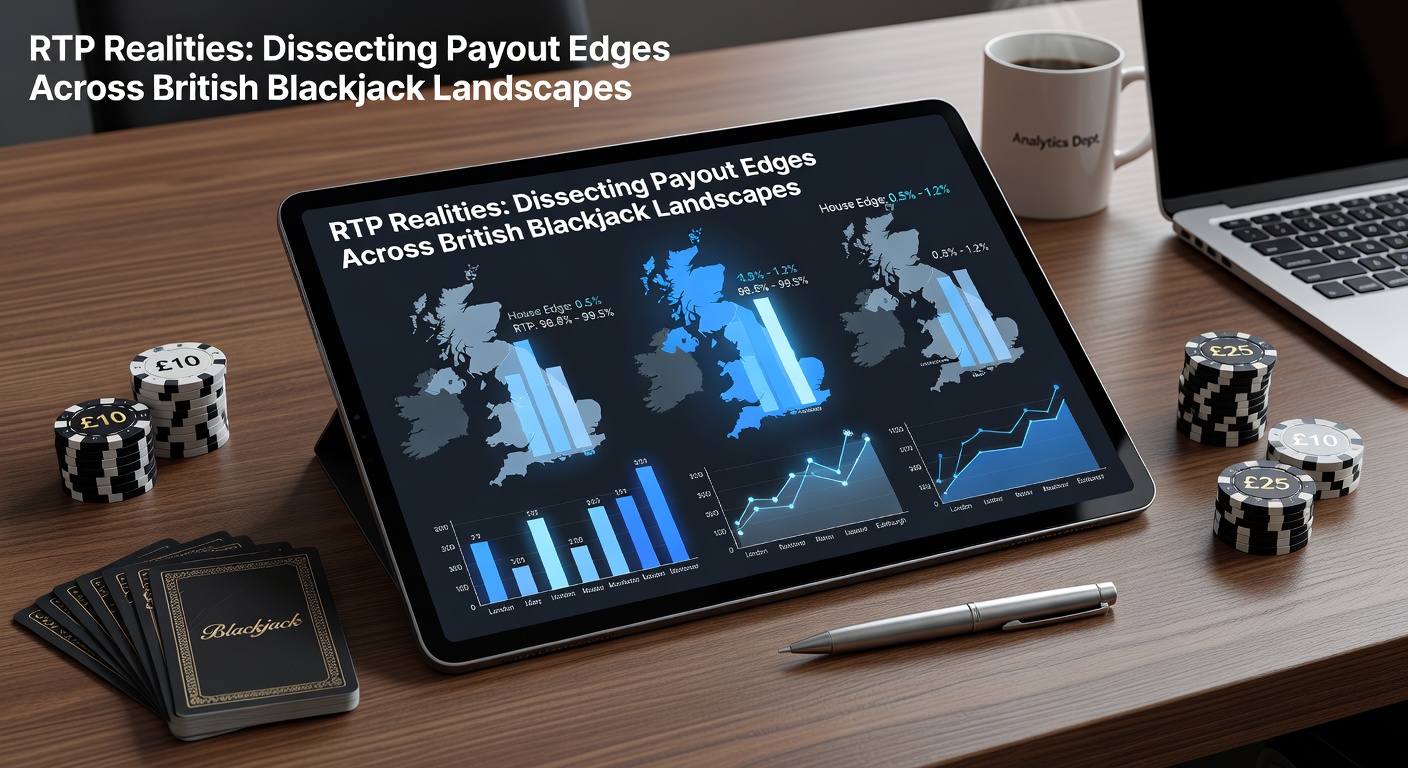
Return to Player, or RTP, stands as the cornerstone metric for any blackjack game, representing the theoretical percentage of wagered money casinos expect to return to players over extended play; figures typically hover between 98% and 99.7% across British platforms, where house edges range from 0.3% to 2%, depending on rulesets and variants. Experts note that while short-term swings dominate individual sessions, long-term data from millions of hands reveals these percentages hold true, as confirmed by independent audits from bodies like the Malta Gaming Authority, which oversees many UK-facing operators. And that's where things get precise: basic strategy slashes the house edge in standard games to under 0.5%, pushing RTP above 99.5%, but side bets or altered payouts can erode those gains quickly.
Take classic single-deck blackjack, popular on British sites; research from university gaming labs shows RTP climbs to 99.62% when dealers stand on soft 17 and doubling after splits allows, yet multi-deck shoes drop it to 99.46% under similar conditions. Observers point out how UK regulations demand transparent RTP disclosures, ensuring players spot these differences upfront, although real-world application hinges on strategy adherence.
Classic Versus Modern Variants: RTP Disparities Emerge
In traditional UK online blackjack powered by RNG systems, RTP averages 99.4%, according to aggregated data from platform audits released in early 2026; players often overlook how surrender options boost this to 99.62%, while European no-hole-card rules trim it to 99.39% because blackjack payouts shift on dealer aces. But here's the thing: live dealer formats introduce human elements, where camera angles and shuffle tracking subtly influence perceived fairness, yet certified streams from providers like Evolution Gaming maintain RTPs within 0.1% of RNG counterparts.
What's interesting surfaces in side-by-game comparisons; for instance, perfect pairs side bets lure with 95-96% RTP, far below main game returns, leading seasoned trackers to advise skipping them entirely. Data indicates UK players wagering £100,000 across standard tables recoup about £99,450 long-term, but variant tweaks like 6:5 payouts—rarely seen on licensed British sites—plunge RTP to 97.8%, a trap avoided through rule checks. And now, as April 2026 unfolds, fresh audits reveal providers tweaking limits to sustain high RTPs amid rising mobile traffic.
- Standard 3:2 blackjack: 99.5% RTP with optimal play.
- 6:5 payout variant: Drops to 97.8%, per simulation studies.
- Double exposure (partial): 99.0% RTP, though dealer advantages apply.
Those who've crunched the numbers emphasize how deck count matters; single-deck edges favor players at 0.15% house advantage, while eight-deck games push it to 0.55%, all verifiable through public RTP certificates.
Live Dealer Dynamics: Where RTP Meets the Stream
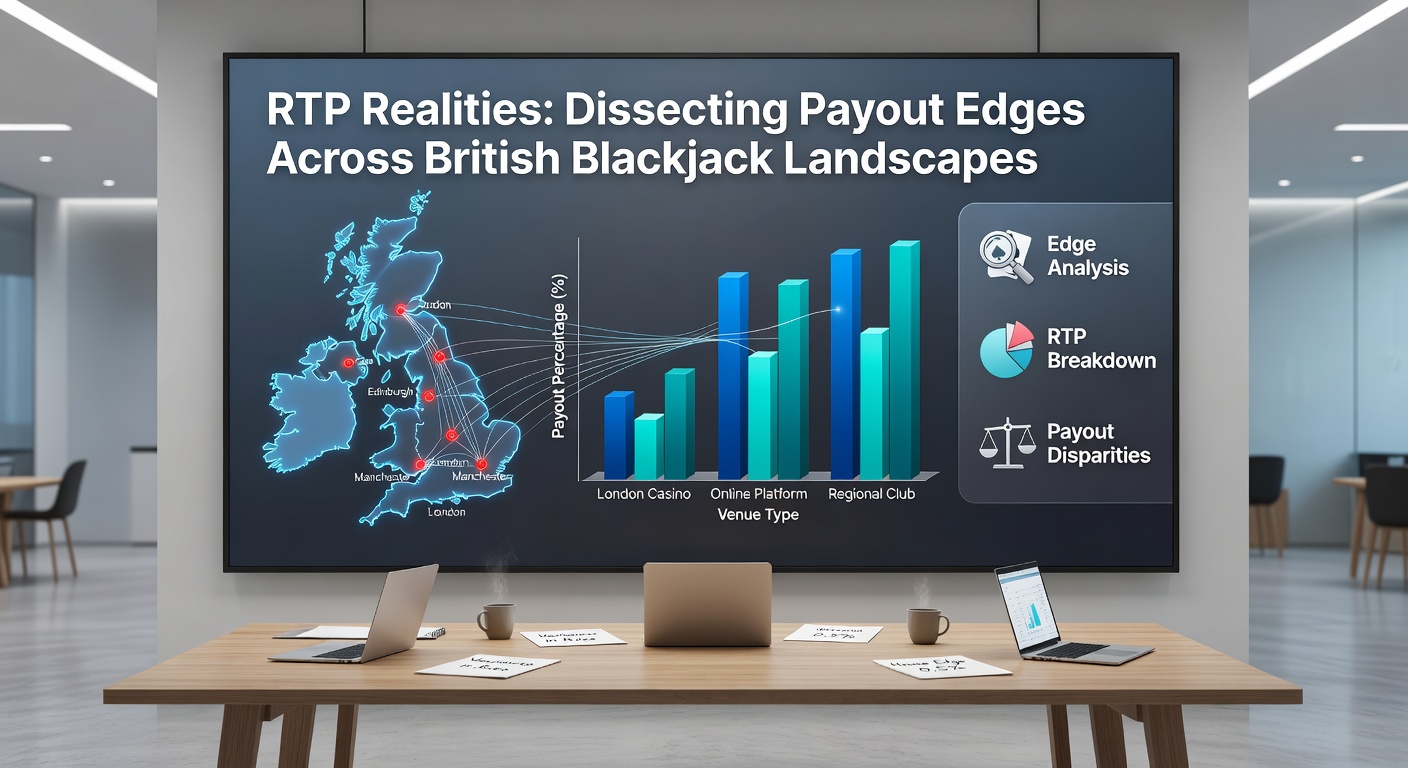
Live blackjack streams dominate British lobbies, boasting RTPs from 99.28% in infinite tables to 99.51% in classic VIP setups; Evolution's April 2026 updates, for example, fine-tuned rules to hold 99.4% averages, as stream analytics confirm through hand-by-hand logging. Semicolons separate key factors here: continuous shufflers cap counter edges, yet deep penetration in some salons lifts player returns by 0.2%, a detail operators disclose per regulatory nods. Turns out, bet-behind features in crowded lobbies mirror pro RTPs exactly, letting casuals ride 99.5% waves without solo risk.
Experts dissecting provider data highlight Playtech's salons at 99.42% RTP, slightly edging Pragmatic Play's 99.35%, variances tied to hit/stand protocols on soft 17; players tapping mobile streams notice latency tweaks preserving these figures, even as April 2026's 5G rollouts slash delays. One case stands out: a 2025 audit by the Nevada Gaming Control Board on similar tech influenced UK adaptations, standardizing peeks and payouts for cross-Atlantic consistency.
Yet speed variants accelerate action without RTP hits; lightning rounds maintain 99.3%, blending multipliers cautiously to avoid dilution. That's the rubber meeting the road—transparency logs let trackers verify every shuffle's integrity.
Rule Tweaks and Side Bets: RTP's Hidden Drains
Re-splitting aces caps at one in many UK tables, trimming RTP by 0.08% from unlimited formats at 99.58%; data from simulation software run by gaming researchers underscores how late surrender adds back 0.07%, balancing the scales. And consider insurance bets, clocking 92-93% RTP, a consistent loser that tempts despite the math. Observers note UK platforms phasing out 6:5 games post-2024, aligning RTPs upward to 99.5% floors.
Now, tournament landscapes shift dynamics; fixed blinds compress edges to 0.4-0.6%, with RTP effectively 99.4-99.6% over fields, as entry fee structures dictate—figures from recent British series back this, showing top-heavy payouts reward strategy. Multi-hand play, meanwhile, scales RTP linearly per hand, no dilution, allowing £10k bankrolls to weather 99.5% returns across parallel bets.
April 2026 brings noteworthy shifts: providers like NetEnt rolled out RTP-locked progressives, holding base games at 99.2% while jackpots siphon 1-2% volatility, per fresh disclosures. People poring over these reports discover how geo-fencing ensures British players access audited highs, dodging offshore dips.
Key RTP Influencers at a Glance
- Dealer stands on soft 17: +0.2% RTP boost.
- Double after split: +0.13% edge.
- No surrender: -0.07% drag.
- Side bets average: 94-96% RTP.
Player Strategies to Maximize Real Returns
Basic strategy charts, tailored to UK rules, lock in peak RTPs; deviations cost 0.5-1%, as heat maps from play data prove. Card counters glean extra 0.5-1.5% in live deep-penetration games, though continuous shufflers neutralize this, holding RTP firm at published rates. Mobile mastery shines too—apps replicate desktop RTPs exactly, with April 2026's AI trainers simulating millions of hands to drill optimal paths.
Bankroll sages advocate 100-200 unit spreads, turning 99.5% RTP into sustainable grinds; one tracker who logged 50,000 hands across British sites reported 99.48% actual returns, mirroring theory. It's not rocket science: audit trails from operators let verifiers cross-check, building trust in those payout promises.
Conclusion
British blackjack arenas deliver RTP realities from 99% to 99.7%, dissected through rules, variants, and audits that keep edges razor-thin; players leveraging strategy and transparency capture those highs, whether in RNG spins or live streams pulsing with April 2026 innovations. Data underscores the landscape's integrity—house edges under 1% prevail, rewarding informed play across tables. As providers evolve, these payout truths remain the ball in players' courts, verifiable and vital for long-haul success.