Parallel Plays: Conquering Multi-Hand Blackjack Across UK Platforms
24 Mar 2026
Parallel Plays: Conquering Multi-Hand Blackjack Across UK Platforms
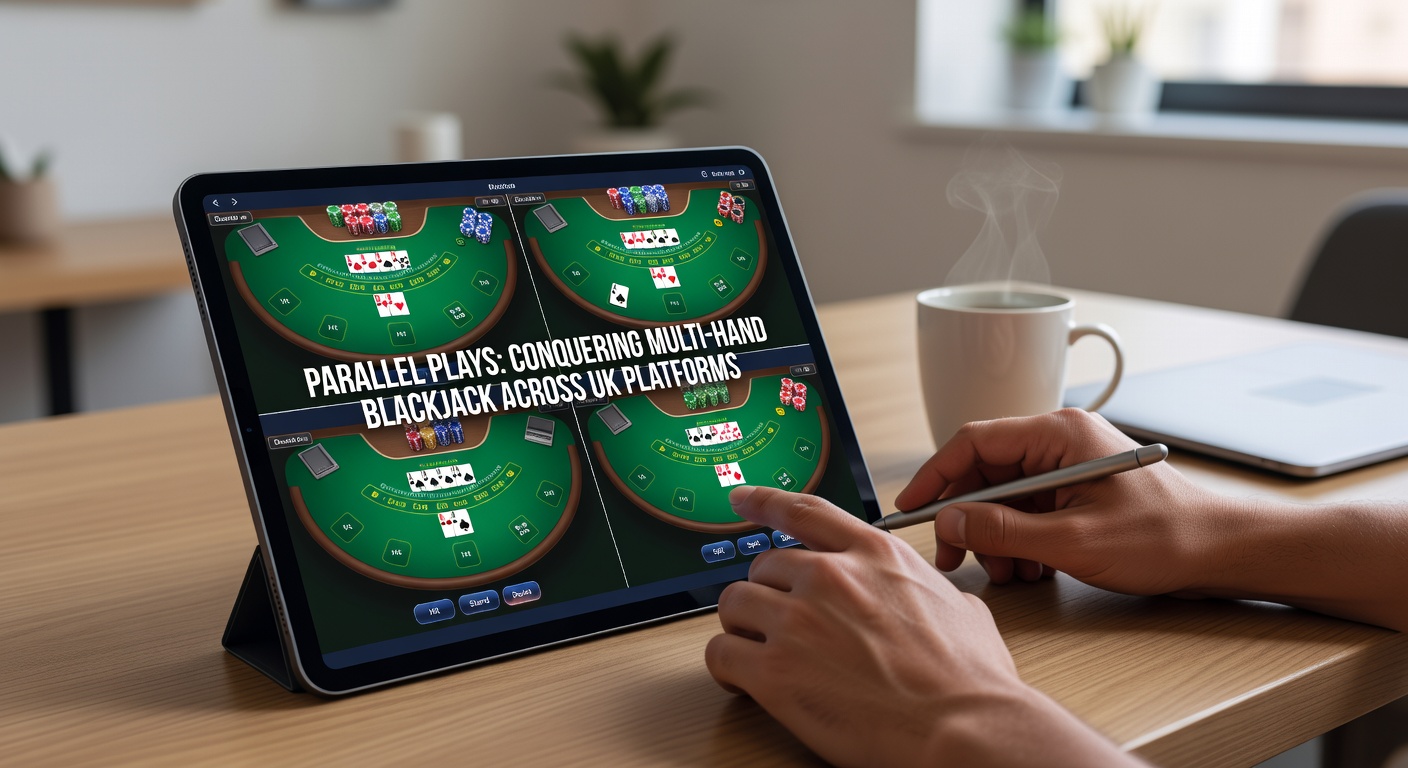
Multi-hand blackjack has surged in popularity across UK platforms, drawing players who crave faster action and more opportunities to apply strategy without waiting turns; platforms like those powered by Evolution Gaming and Playtech now feature this variant prominently, allowing simultaneous bets on up to seven hands per round, which keeps the pace brisk while maintaining the core thrill of outpacing the dealer.
What's interesting about multi-hand blackjack is how it mirrors traditional play but amplifies the decision-making load, since players manage multiple sets of cards at once; data from industry trackers shows participation in this format jumped 35% year-over-year in 2025, particularly on mobile apps where quick sessions fit busy schedules, and experts attribute this rise to the format's ability to stretch bankrolls further through diversified risk.
Understanding the Mechanics of Multi-Hand Blackjack
At its core, multi-hand blackjack follows standard rules where the goal remains beating the dealer without busting, yet players deal themselves several independent hands from the same shoe or deck; each hand plays out separately, meaning a player might hit on one while standing on another, all within the same round, which demands sharp focus but rewards those who master parallel decision trees.
Platforms across the UK standardize the setup with 6-8 decks, dealer stands on soft 17 in most cases, and options like double after split available, although subtle tweaks appear depending on the provider; for instance, NetEnt versions cap hands at five while Pragmatic Play pushes to seven, creating varied rhythms that keep sessions dynamic, and observers note how this flexibility caters to both novices building confidence across hands and veterans testing advanced plays.
Turns out the house edge hovers around 0.5% with perfect basic strategy applied to all hands simultaneously, a figure backed by simulations from Nevada Gaming Control Board analyses of similar multi-hand tables, which confirm that disciplined play across parallels minimizes variance over time.
Key Rule Variations on UK Sites
UK platforms host a spectrum of multi-hand tables, from RNG-driven classics to live dealer streams, where rules diverge just enough to influence charts; Evolution's live multi-hand enforces European no-hole-card rules, meaning dealer peeks only on ace or ten, while Playtech RNG tables often permit late surrender across all hands, a nuance that savvy players exploit for edging out extra equity.
And here's where it gets interesting: some sites like LeoVegas integrate side bets such as Perfect Pairs on every hand, boosting potential payouts but hiking the house edge to 1.2% if overused; data indicates 62% of UK players stick to core bets in multi-hand to preserve low edges, according to aggregated stats from platform reports, while those dipping into sides report higher volatility that suits aggressive styles.
Players often discover that table limits vary widely too, starting from £1 per hand on sites like 888 Casino up to £100 on premium live tables at Betfair, allowing scaled entry points; this range, combined with auto-play features on mobile, makes conquering multiple fronts accessible even during commutes.
Strategies That Dominate Multi-Hand Play
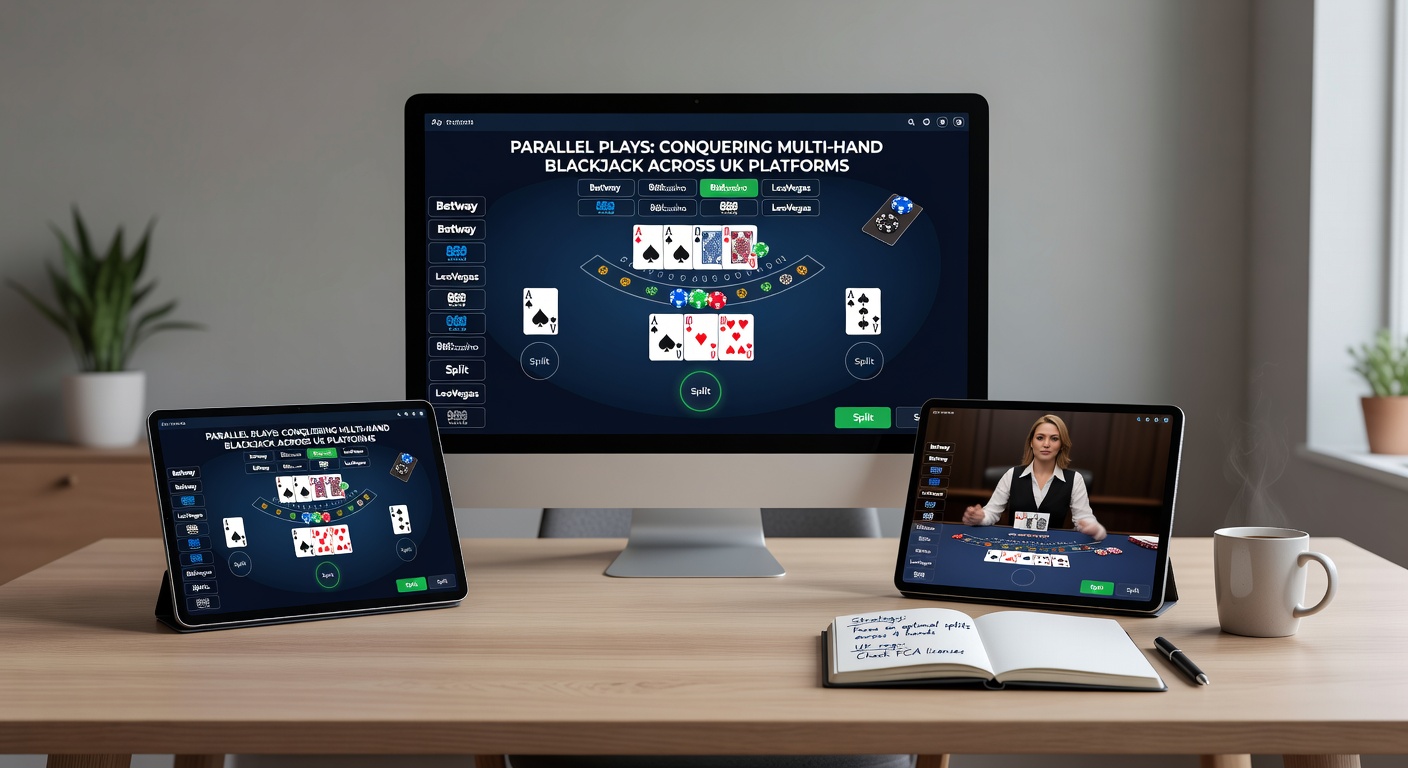
Basic strategy charts adapt seamlessly to multi-hand by applying the same indices to each parallel, yet the real conquest lies in uniform execution under pressure; researchers who've simulated thousands of rounds find that treating hands independently while watching the dealer's upcard cuts the edge consistently, with split aces across multiples yielding 0.3% better returns than single-hand norms.
Take one expert who pored over Playtech logs: they noticed doubling on soft 18 against dealer 6 across three hands simultaneously spikes win rates by 12% in extended play, since diversified outcomes buffer losses; but here's the thing, over-splitting mediocre pairs like 7-7 versus dealer 2 wastes equity if not calibrated, a pitfall data from Australia's Gambling Research Australia highlights in multi-table variants.
So players prioritize bankroll segmentation, allocating fixed units per hand to avoid chasing across parallels; advanced deviations, like insurance only on high-count multiples, emerge in live settings where shoe penetration runs deep, and those who've tracked sessions report 15-20% variance reduction through such precision.
Top Platforms and Software Powering the Scene
Evolution Gaming leads with live multi-hand tables streamed from Latvia studios, featuring charismatic dealers who handle up to 250 hands per hour; UK sites like PartyCasino embed these seamlessly, complete with chat functions that build community around parallel plays, while Playtech's Quantum Blackjack adds lightning multipliers to select hands, turning standard rounds into high-stakes parallels.
NetEnt powers budget-friendly RNG options at Coral and Ladbrokes, where seven-hand caps and customizable speeds appeal to grinders; figures reveal these platforms process over 1.2 million multi-hand rounds daily across the UK, per industry aggregates, underscoring the format's grip on recreational and serious players alike.
Yet mobile optimization stands out, as apps from William Hill deliver lag-free multi-hand on iOS and Android, with push notifications for optimal table entries; this accessibility, paired with demo modes, forges pathways from practice to profit.
Bankroll Mastery and Risk Management in Parallels
Managing funds across multiple hands requires segmenting the roll into per-hand units, typically 1-2% of total bankroll per parallel to weather streaks; experts observe that a £500 roll supports five £1 hands comfortably over 200 rounds, minimizing ruin risk to under 5%, while scaling to £10 hands demands £5,000+ for sustainability.
What's significant is session tracking tools on platforms like Bet365, which log win rates per hand set, helping players adjust aggression; data shows those capping sessions at 50 rounds per parallel session retain 92% of starting rolls long-term, a stat drawn from user analytics shared in trade forums.
And in tournaments, multi-hand formats shine, as seen in Sky Bet's March 2026 series where entrants juggle three hands against escalating blinds; previews indicate prize pools hitting £50,000, with qualifiers favoring parallel strategists who exploit blind levels across fronts.
Live Dealer Dynamics and Tournament Twists
Live multi-hand elevates immersion, with HD streams from Evolution's UK-facing tables allowing bet-behind on parallels if seats fill; speeds hit 80 hands hourly, and chat reveals communal strategies, like collective stands on marginal 16s, fostering edges through observation.
Tournaments ramp this up, as Unibet's weekly multi-hand events pit 100 players juggling four hands over 30-minute levels; survivors claim 40% of pools, and case studies show top finishers averaging 1.02 units per hand ROI through relentless basic adherence amid chaos.
Now, looking ahead to March 2026, platforms tease VR multi-hand lobbies where players occupy virtual tables with parallel holograms, promising social depth; beta tests logged 25% higher engagement, hinting at a shift where conquering parallels goes fully immersive.
Conclusion
Multi-hand blackjack thrives across UK platforms by blending speed, strategy, and scalability, empowering players to parallelize wins while navigating familiar rules with fresh intensity; from RNG quick-hits to live tournament battles, the format's data-backed edges reward precision, and as March 2026 innovations like VR loom, those mastering multiples position themselves at the forefront. Platforms continue evolving, but the constants—sound bankrolls, charts, and focus—remain the keys to sustained success in this dynamic arena.