6 Aug 2026
Mobile Tournament Play: Evolving Strategies for Live Dealer Card Events
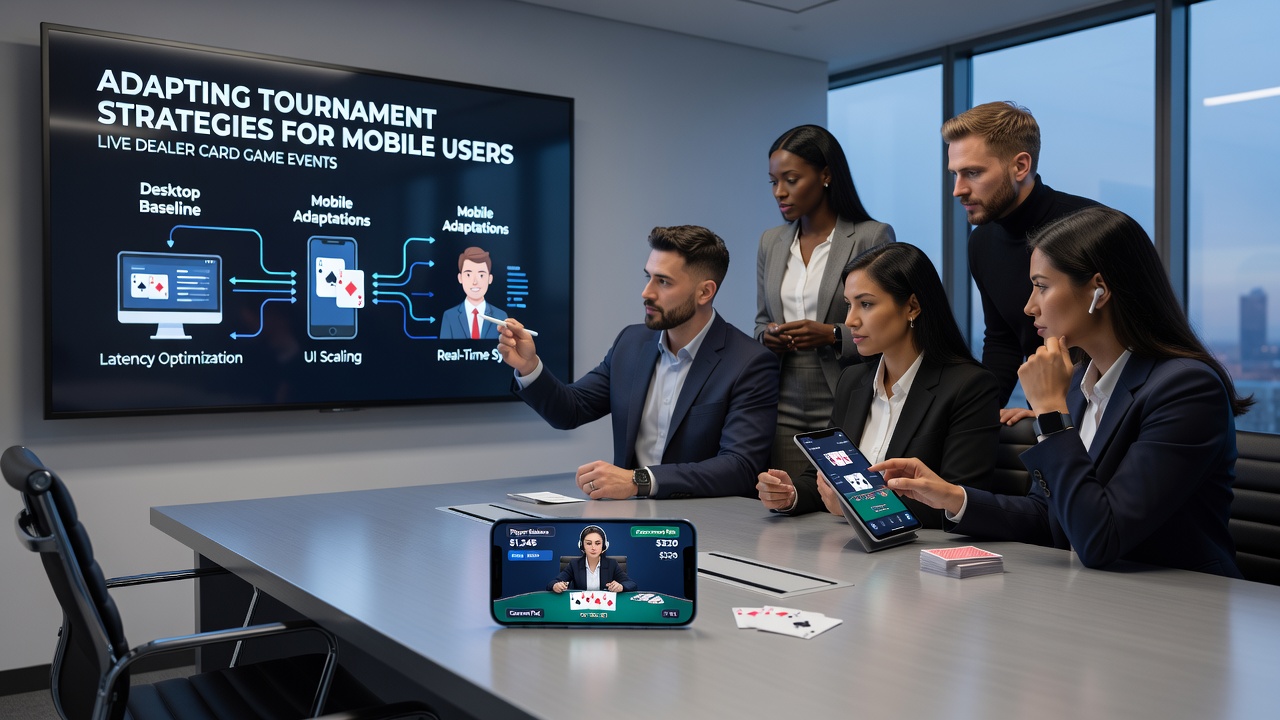
Live dealer card game tournaments have expanded rapidly onto mobile platforms, and participants now face distinct adjustments when shifting from desktop setups to handheld devices. Data from industry reports shows mobile participation rates climbing steadily through 2025 and into 2026, with August 2026 figures indicating that over 60 percent of tournament entries occurred via smartphones in several major operators' events. Observers note that these shifts require players to modify core tactics around timing, decision-making speed, and resource management because mobile interfaces introduce variables absent from larger screens.
Interface Differences and Initial Adjustments
Smartphone screens limit the visible area for multiple cards, dealer feeds, and chat functions simultaneously, which forces users to rely on swipe gestures and tap sequences rather than mouse clicks. Research indicates that touch latency averages 50 to 100 milliseconds higher than desktop inputs during peak server loads, compelling competitors to build extra buffers into their response windows. Those who study tournament logs report that players who pre-configure quick-bet buttons and enable one-handed modes reduce errors by measurable margins compared with default layouts.
Connectivity and Battery Considerations
Stable connections matter more in live dealer formats because disconnections can trigger automatic folds or missed betting rounds. Figures reveal that mobile users experience brief signal drops at rates three times higher than wired connections during evening peak hours, according to network analyses from North American operators. Participants often adopt practices such as lowering video resolution, closing background applications, and keeping devices plugged in to maintain consistent performance across multi-round events that may last several hours.
Strategic Modifications for Touch-Based Play
Card counting or probability tracking becomes more demanding when players must toggle between screens or zoom into dealer streams. Studies from academic sources show that mobile users who divide attention across notifications and game feeds lose accuracy in real-time calculations, leading some to simplify their approach by focusing on basic strategy charts pre-loaded as screenshots. Tournament structures that award points for survival rather than maximum aggression reward this measured style, and data indicates higher completion rates among those who adapt early.
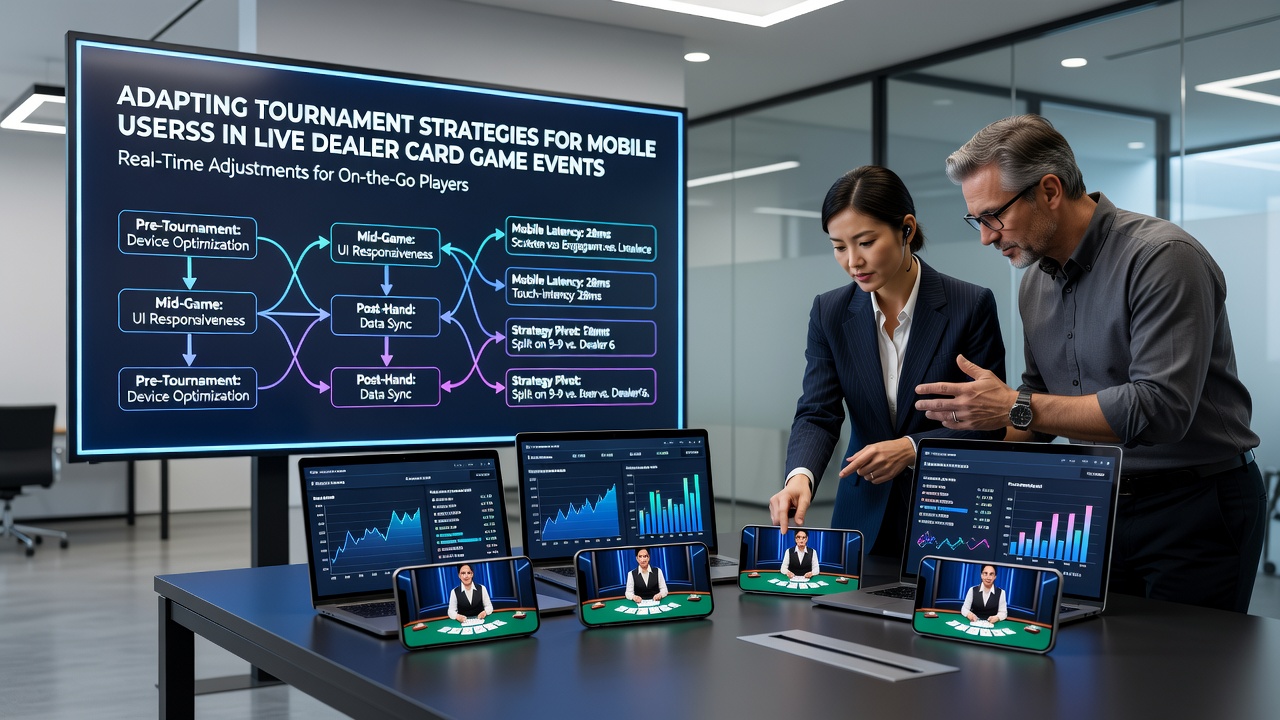
Bet sizing tools on mobile often default to slider bars that require precise finger placement, which can lead to over-bets if the device registers unintended movements. Experts have observed that successful entrants practice these mechanics in free modes beforehand, building muscle memory that carries into paid events. And because many platforms offer portrait and landscape orientations, switching between them mid-hand can reset focus, so competitors who lock their preferred view report steadier execution.
Distraction Management and Multi-Tasking Realities
Push notifications from other applications compete directly with live streams, creating split-second delays that accumulate across dozens of hands. Reports from the American Gaming Association highlight that mobile tournament players who activate do-not-disturb settings and use external timers for break periods maintain higher consistency than those relying solely on in-app alerts. Battery drain accelerates under continuous video feeds, and August 2026 telemetry from several platforms showed average session lengths dropping when devices fell below 30 percent charge without external power sources.
Regional Regulatory Influences on Mobile Features
Regulators in different jurisdictions set varying standards for live dealer verification and mobile app certification, which indirectly shapes available tools. A 2025 analysis by Canadian authorities documented how standardized encryption requirements improved connection reliability across borders, allowing smoother cross-device transitions during international events. Participants who review these compliance updates can anticipate feature rollouts such as enhanced auto-hold options or simplified lobby navigation that reduce cognitive load during high-stakes rounds.
Examples from Recent Events
One documented case involved a European operator's August 2026 series where mobile entrants using pre-set strategy overlays outperformed those relying on mental recall alone, with completion rates rising 12 percent according to internal metrics. Another instance from an Australian platform showed that users who combined vibration feedback with visual cues reacted faster to dealer prompts, narrowing the gap with desktop competitors. These patterns suggest that preparation focused on device-specific ergonomics yields measurable advantages without altering fundamental game mathematics.
Conclusion
Adaptation in mobile live dealer tournaments centers on recognizing hardware constraints and compensating through preparation, interface customization, and disciplined focus management. Evidence from multiple regions demonstrates that players who integrate these elements into their routines achieve participation rates and survival metrics comparable to those on traditional setups. As platforms continue refining mobile tools, the core requirement remains consistent attention to how physical interaction with the device influences timing and decision quality across extended events.