30 Jun 2026
Mechanics of Side Bets: Insurance Probabilities and Progressive Systems in Mobile and Live Blackjack
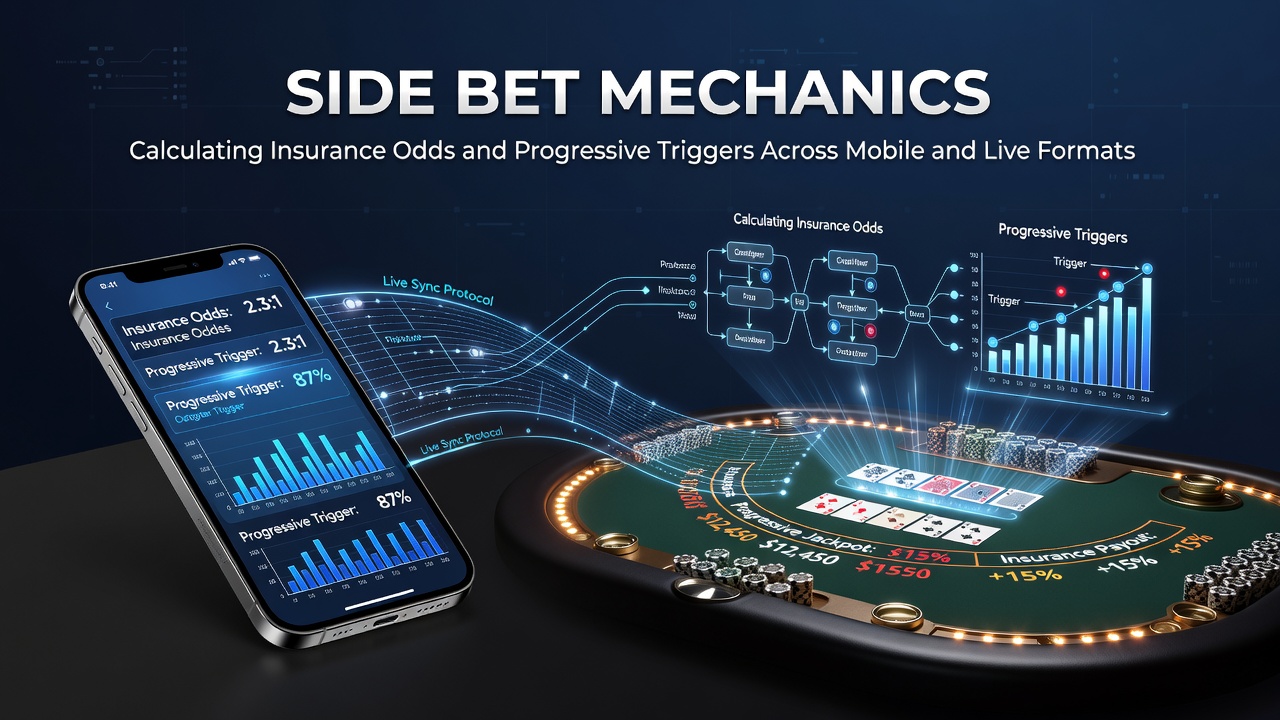
Side bets in blackjack add layers of probability calculation that differ between formats, and insurance stands as one of the most common options when the dealer reveals an ace upcard. Players place this wager at half their original bet to cover potential dealer blackjack, which pays 2:1 when triggered yet carries a built-in house advantage because the true odds sit near 2.2:1 in a standard eight-deck shoe. Observers note that the exact edge shifts with deck composition and the number of aces remaining, prompting those who track cards to adjust insurance decisions accordingly.
Insurance Odds Across Deck Counts
Calculations begin with the remaining composition of the shoe, since each unseen ace reduces the likelihood of dealer blackjack while unseen tens increase it. Research from the University of Nevada Reno shows that in a single-deck game the dealer holds roughly a 31.4 percent chance of completing blackjack when an ace appears, whereas eight-deck shoes push that figure closer to 30.8 percent. Mobile platforms often simulate continuous shuffling or use random number generators calibrated to identical penetration rates, which means insurance frequency stays consistent regardless of session length. Live dealer streams, by contrast, reveal physical card removal in real time, allowing observers to update running counts and decide whether to take insurance based on the actual remaining high cards.
Progressive Triggers and Jackpot Mechanics
Progressive side bets link multiple tables or machines to a shared jackpot pool that grows until specific hand combinations appear. Common triggers include suited blackjacks, three sevens, or five-card 21s, each paying a percentage of the meter or a fixed bonus amount. Data from the Nevada Gaming Control Board indicates that progressive contributions typically range between 0.5 and 2 percent of each side bet, with the meter resetting after a hit. Mobile versions display the current jackpot total on-screen and update instantly across connected devices, whereas live casino progressives rely on networked terminals that broadcast the same figure to all participating tables. Triggers activate only on the initial two cards in most systems, though certain variants extend eligibility to additional draws when players elect the side wager before the round begins.
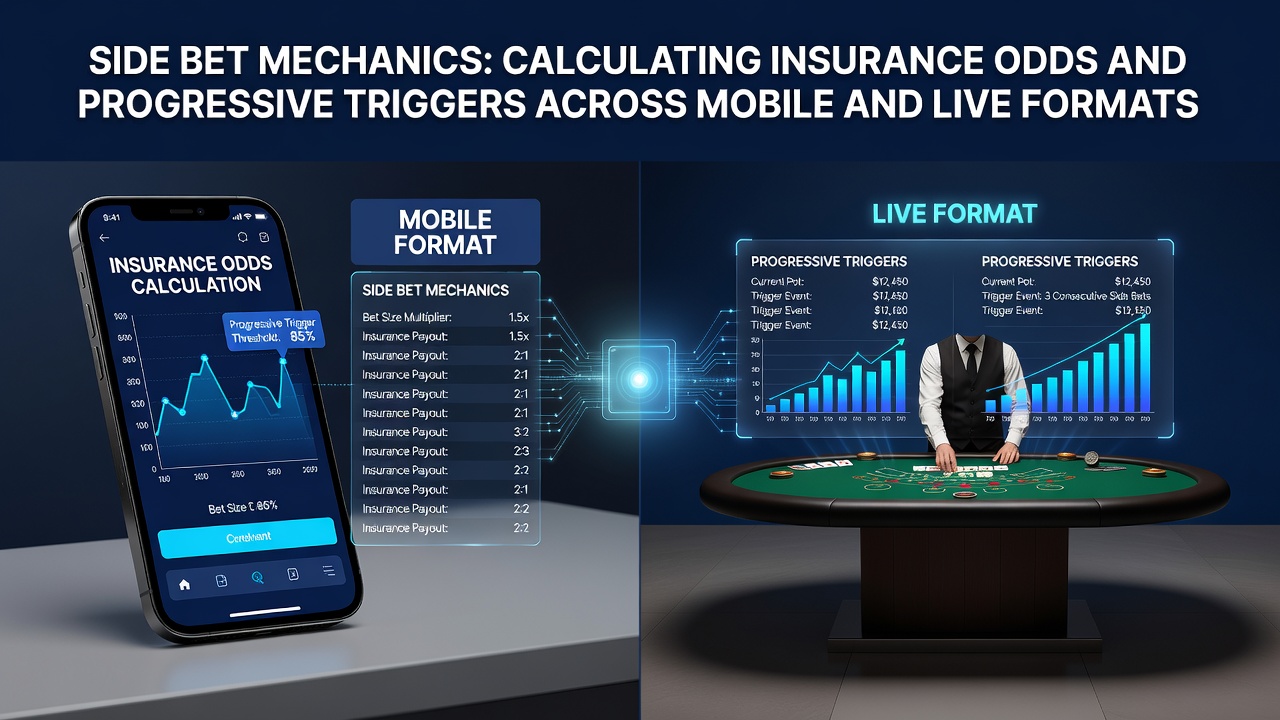
June 2026 saw several operators introduce tiered progressive structures that split the pool into mini, midi, and grand levels, each tied to different hand rarities. These layered systems increase hit frequency for smaller awards while preserving the grand prize for the rarest combinations, a design choice documented in industry reports from the Canadian Gaming Association. Players encounter these triggers in both formats, yet mobile interfaces often include pop-up probability meters that estimate current odds, information unavailable at most physical tables.
Format Differences in Calculation and Delivery
Mobile blackjack delivers side bet results through automated algorithms that resolve insurance and progressives within milliseconds of the dealer’s second card, removing any ambiguity about whether a ten-value card completes the dealer’s hand. Live formats introduce slight delays as the dealer checks the hole card or uses a peek device, and progressive awards require floor supervisor verification before the meter resets. Those who study variance patterns note that live tables experience longer intervals between progressive hits simply because fewer simultaneous bets feed the pool compared with thousands of mobile sessions running concurrently. Both environments maintain identical payout tables for insurance, yet the live setting allows physical card handling that can influence perceived deck penetration and therefore the decision to insure.
Electronic aids in mobile apps sometimes display running counts or remaining ace percentages that players may reference when weighing insurance, features restricted in most live casino jurisdictions. Regulatory filings from the Australian Communications and Media Authority confirm that certified RNG systems must match the theoretical frequencies of live play, ensuring insurance odds remain statistically equivalent even when physical cards are absent. Progressive meters in mobile environments accumulate faster due to higher player volume, which shortens average time between triggers but also spreads the same contribution percentage across more participants.
Conclusion
Side bet mechanics hinge on transparent probability structures that function consistently whether accessed through mobile interfaces or across live dealer tables. Insurance calculations depend on remaining deck composition, while progressive triggers rely on networked jackpot pools updated in real time. Observers continue to track how format-specific delivery methods affect player access to information without altering the underlying mathematical relationships documented in regulatory and academic sources.