4 Aug 2026
Mapping Strategy Evolution in Blackjack: Simulated Environments to Live Dealer High-Stakes Play
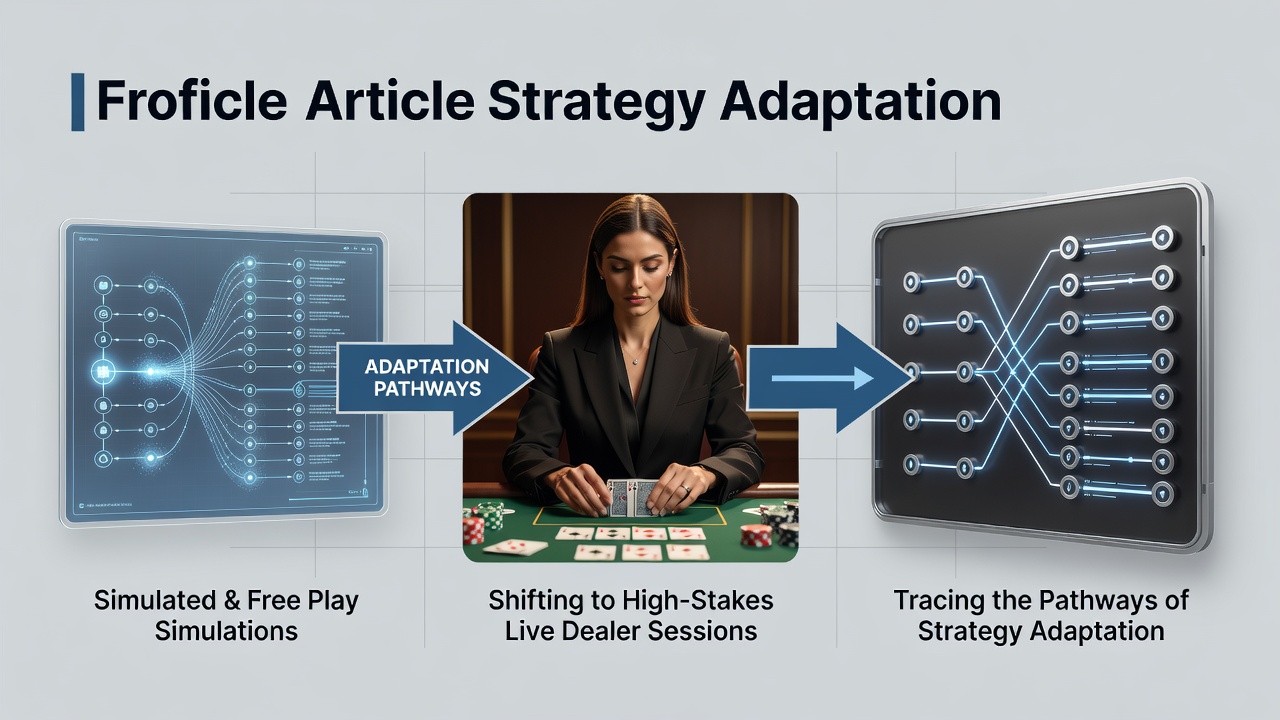
Blackjack players often begin their development in simulated environments and free play modes before progressing to high-stakes live dealer sessions, and researchers have documented clear patterns in how decision-making frameworks adjust across these stages. Data from industry reports indicate that practice platforms allow unlimited repetition of basic strategy charts and card counting drills without financial exposure, yet the shift to live tables introduces variables such as real-time pace, physical dealer interactions, and psychological pressure that demand further calibration.
Core Elements of Simulated Training
Simulated play provides structured repetition where algorithms enforce standard rules and payout structures, enabling users to internalize optimal responses for hand combinations ranging from hard totals to soft aces and pairs. Observers note that free play modes frequently incorporate adjustable parameters including deck penetration levels and rule variations, which mirror conditions found in regulated online platforms across multiple jurisdictions. Studies on decision latency reveal that repeated exposure in these settings reduces average response times for common scenarios, though participants still encounter gaps when facing unfamiliar table dynamics.
Transition Challenges in Live Settings
High-stakes live dealer sessions require adaptation to continuous shuffling machines, visible card burns, and table minimums that escalate quickly, factors absent from most simulation interfaces. Those who have examined player logs across formats report that individuals accustomed to pause-and-review options in software must recalibrate for uninterrupted hand sequences where hesitation can influence table flow. Evidence from behavioral tracking shows increased deviation rates from basic strategy during initial live exposures, particularly on marginal decisions like insurance bets or late surrenders, before stabilization occurs after several sessions.
Psychological and Environmental Adjustments
Live environments add layers including ambient noise, multiple players at the table, and direct eye contact with dealers, elements that simulation software rarely replicates in full. Research indicates that heart rate variability and decision confidence metrics shift noticeably during the first hours of live play compared to equivalent simulated hours, prompting many to incorporate mental rehearsal techniques prior to higher limit sessions. In August 2026, aggregated platform analytics highlighted a measurable uptick in players completing extended simulation sequences before entering premium live lobbies, correlating with lower early-session error rates in those cohorts.
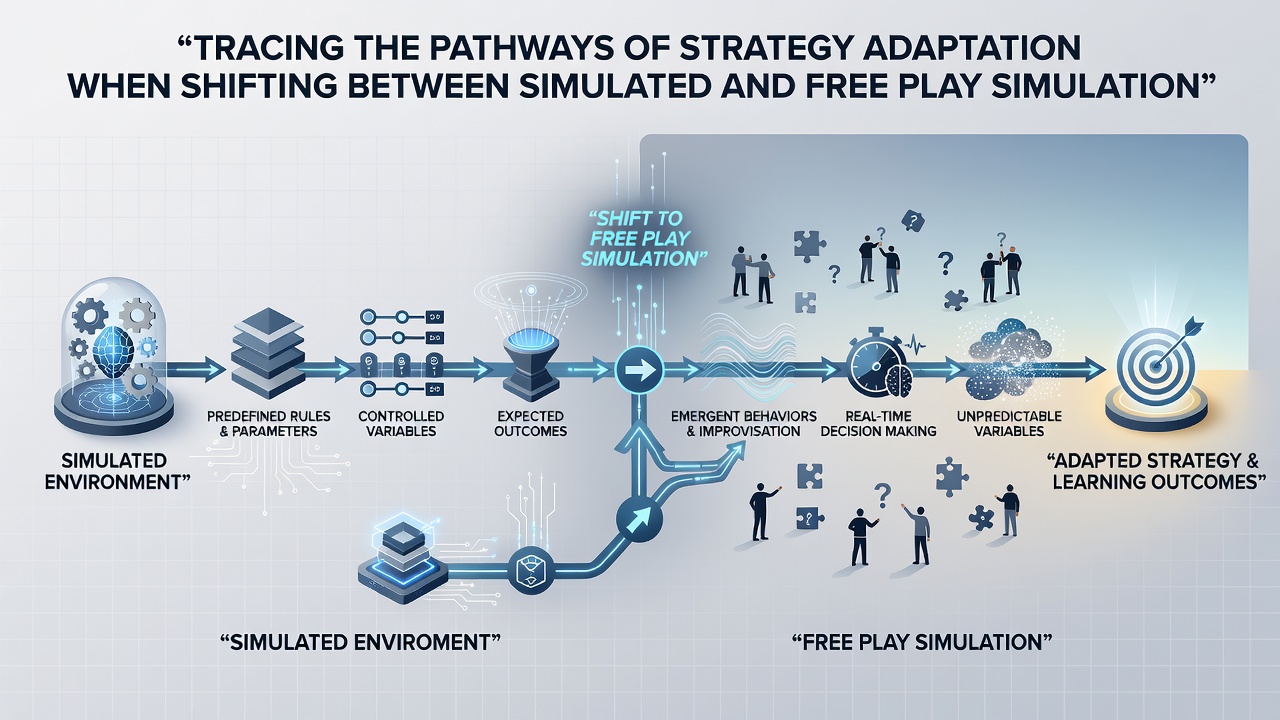
Bankroll segmentation emerges as another adaptation point, where simulation users accustomed to unlimited virtual credits must enforce strict unit sizing rules once real funds enter the equation. Industry data shows that structured progression plans, often tested in free modes, help maintain consistency when stakes rise, although external distractions remain a persistent variable.
Skill Transfer Mechanisms
Card counting proficiency developed through simulation requires further tuning for live conditions because physical card delivery speeds and discard tray visibility differ from digital renders. Analysts tracking performance across formats have found that players who integrate timed drills simulating live tempo achieve faster convergence to baseline accuracy once seated at actual tables. Rule-specific adjustments, such as handling no-hole-card games or variations in dealer peek procedures, also demand targeted practice beyond generic simulators.
Multi-hand play introduces additional complexity, as live sessions limit the number of simultaneous hands compared to software that permits extensive parallel testing. Those monitoring session data note that experienced players allocate separate simulation blocks to replicate these constraints, thereby reducing cognitive overload during actual high-stakes sequences.
Conclusion
Pathways from simulated and free play environments to high-stakes live dealer sessions involve iterative refinement of both technical responses and situational awareness. Available evidence demonstrates that systematic exposure to live variables, combined with continued simulation reinforcement, supports measurable improvements in adherence to established strategies across changing conditions. Regulatory frameworks in various regions continue to shape available formats, yet the underlying adaptation process remains consistent for participants moving through these stages.